
telos: drive · In beta testing
Pile geotechnics: digitised, de-risked, designed.
telos: drive brings site investigation data, statistical ground modelling, axial and lateral design, driveability, and parametric optimisation into one workflow, allowing for the assessment of entire sites and thousands of permutations, near instantly.
01 The problem
Pile design typically considers scattered boreholes, multiple analysis packages, and a schedule so tight that it rarely allows more than a few cases. The result is designs based on a single conservative worst case: longer piles, more steel, more driving, all because the full geological picture is too large and too slow to assemble by hand.
02 Core workflow
How it runs.
Build a statistical ground model from the site investigation data.
Define pile sections, hammers, and load cases from project data.
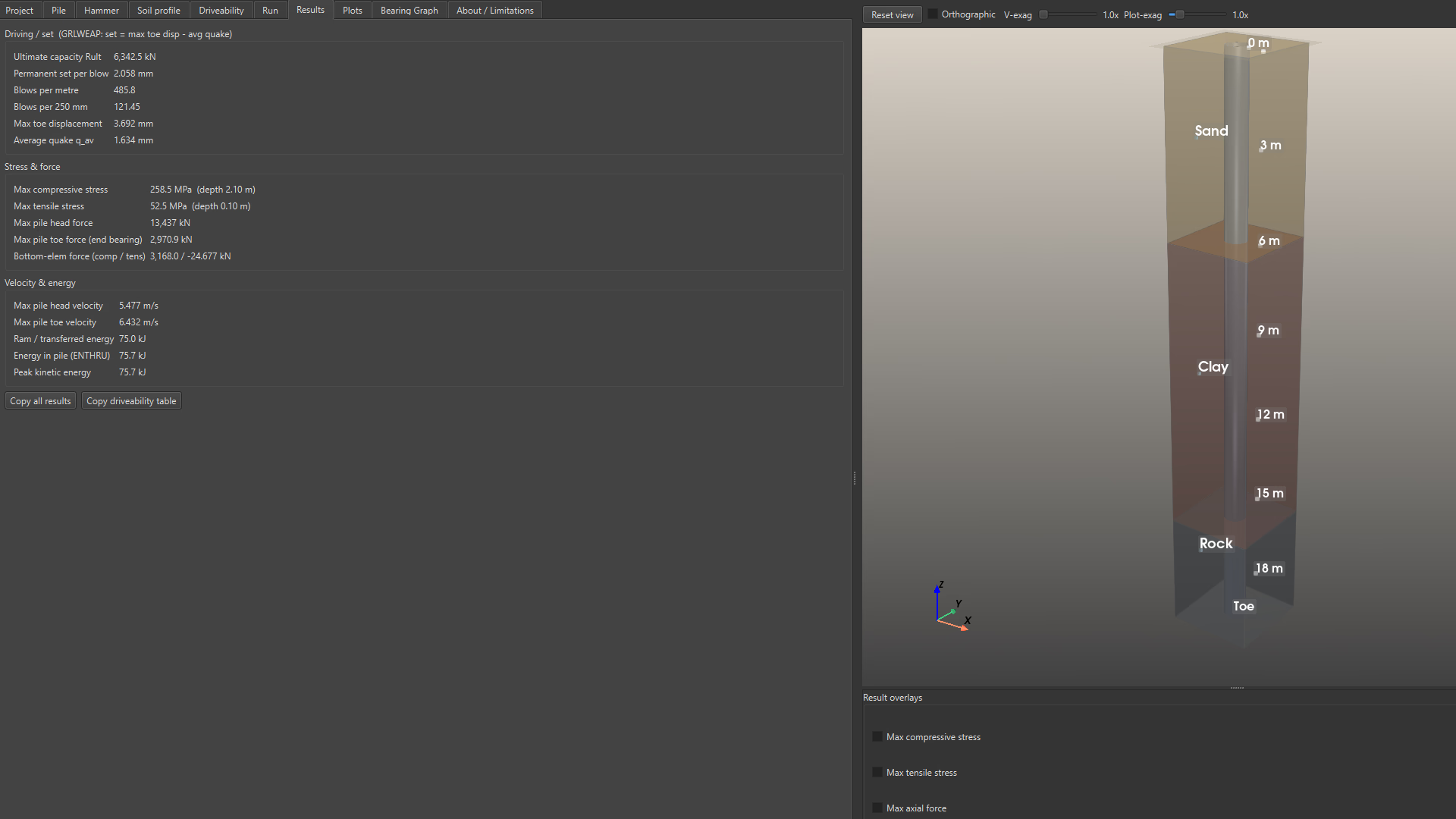
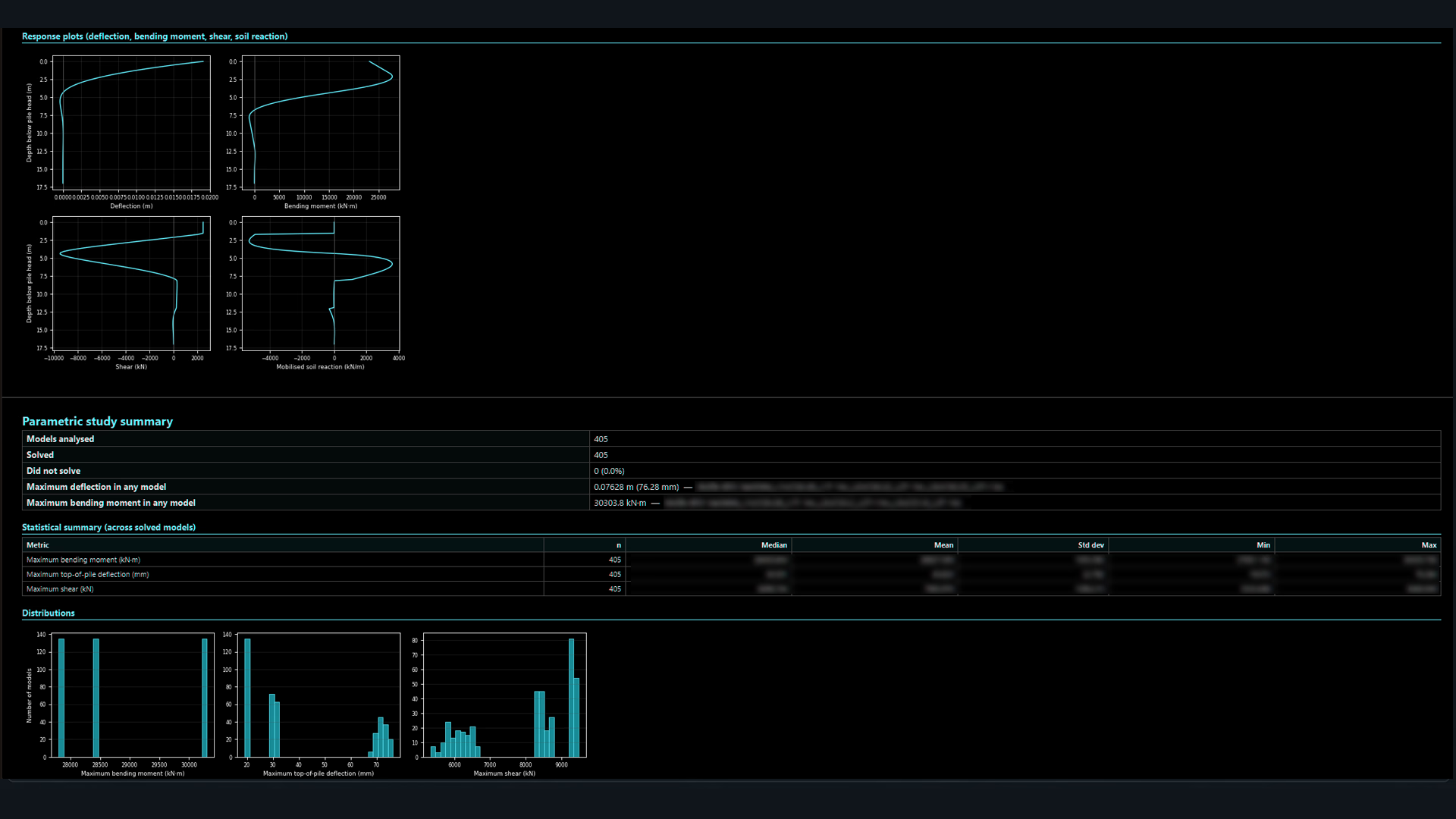
Solve axial, lateral, and driveability cases parametrically — interfacing with LPILE and GRLWEAP.
Read pile lengths, embedments, and design risk at your chosen confidence level.
03 Key outputs
What you take away.
Design envelopes
Pile lengths and embedments across the statistical range of ground conditions, at selected confidence levels.
Driveability
Blow counts, driving stresses, and refusal risk for each hammer and energy case.
Procurement certainty
Steel quantities and driving effort matched to what the site can actually deliver: less steel, less noise, less risk.
04 Software preview
telos: drive
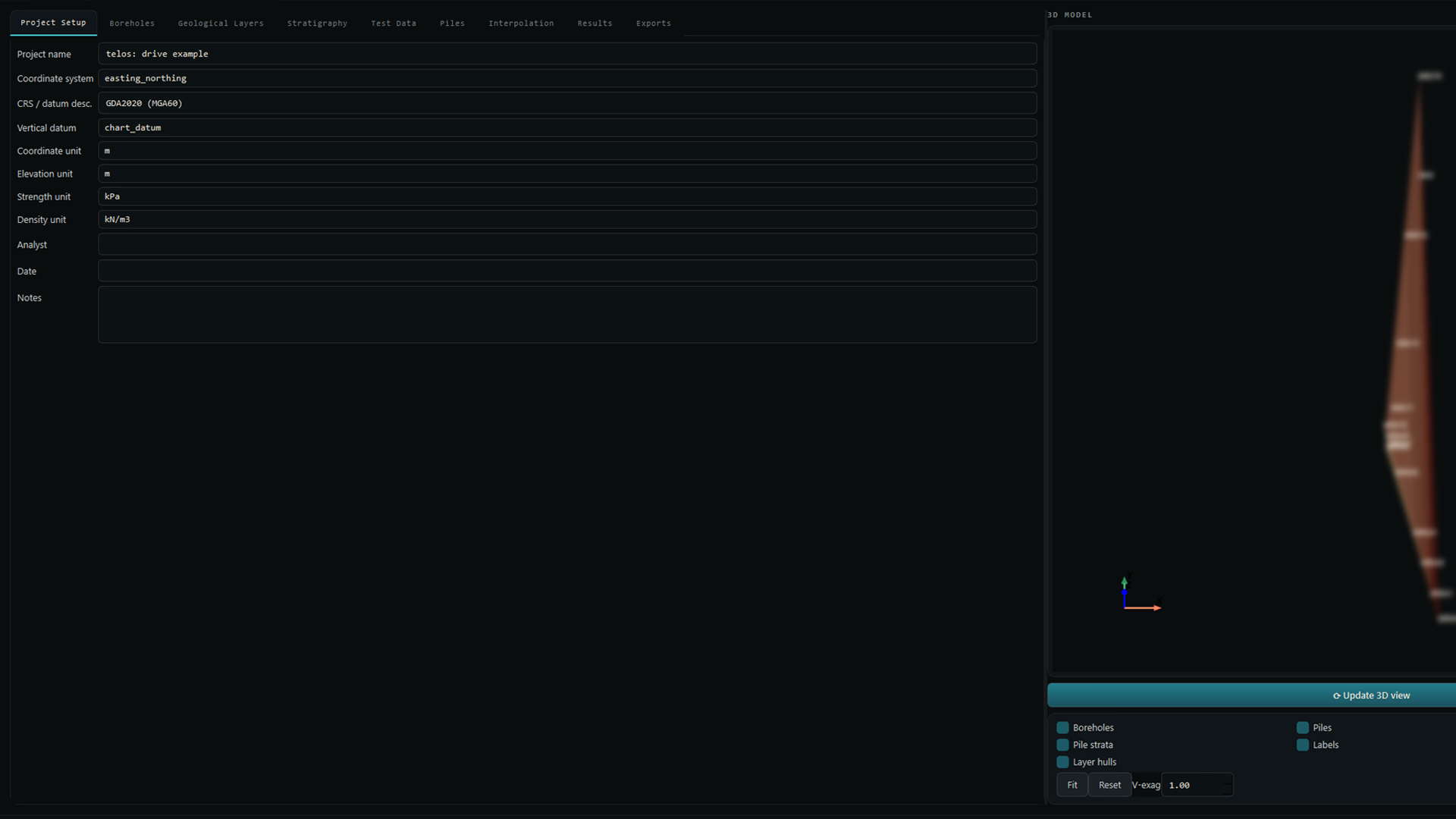
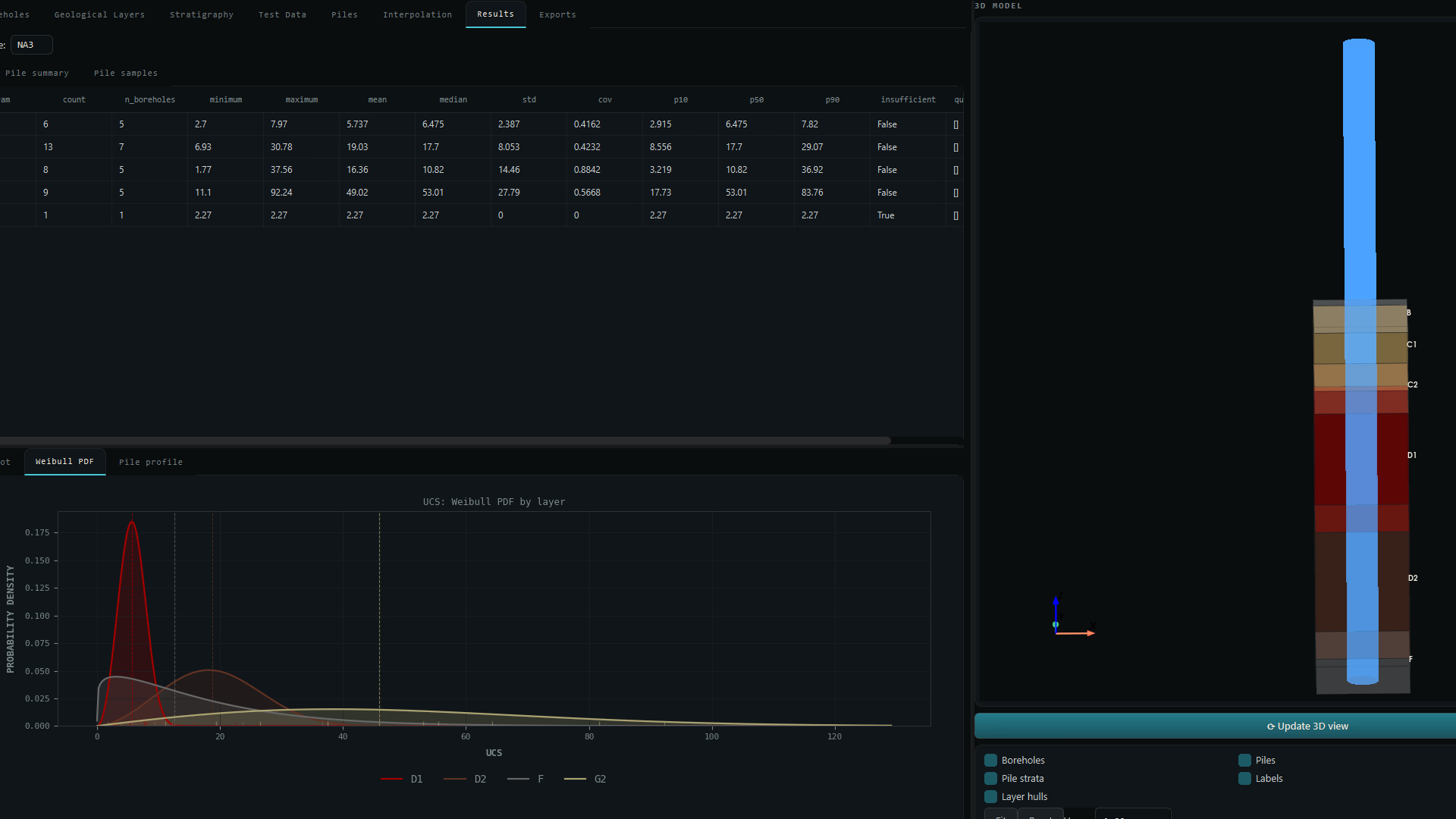
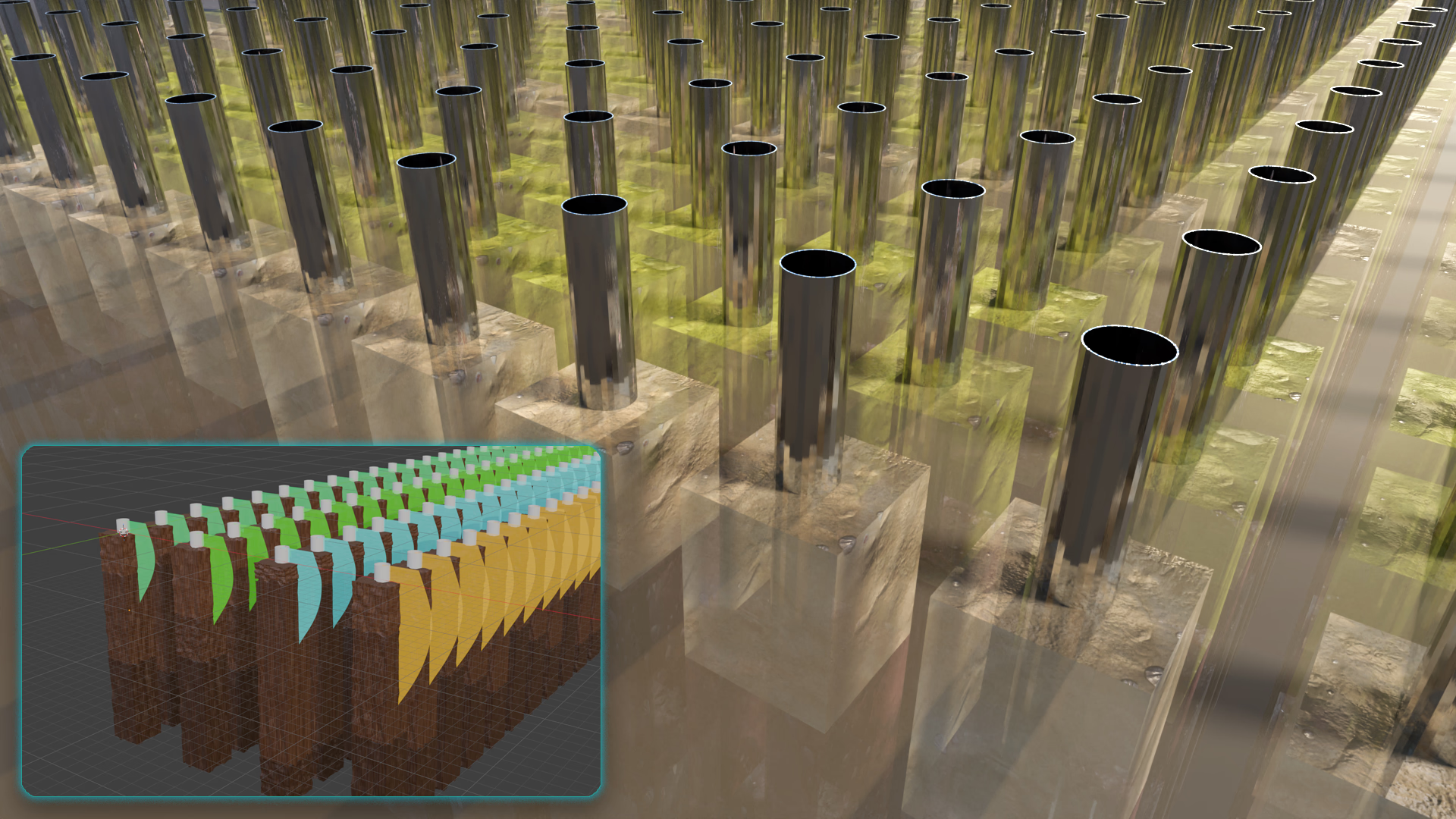
Import the site borehole data.
Bring the site borehole data in and build a 3D model of the site stratigraphy.
Drag to orbit the model.
05 Technical basis
Built on established geotechnical practice, interfacing with industry-standard solvers (LPILE, GRLWEAP), with documented parameters throughout: verified against live Wolfe pile design work before wider use.