
telos: fault · In beta testing
Follow every path from cause to consequence.
telos: fault takes complicated systems and breaks them down into their drivers, describing the relationships between failures that ultimately leads to a critical event.
01 The problem
In complex, high-consequence systems, failures rarely arise from a single fault. They emerge from interactions between equipment failures, human actions, environmental conditions, and ineffective safeguards. Understanding how these factors combine, and tracing the dominant drivers of risk, is essential to identifying effective controls and preventing catastrophic outcomes.
02 Core workflow
How it runs.
Build the gate logic and basic faults with their probabilities.
Define the interactions betweeen faults and how they contribute to a single event or risk.
Map the joint probability of the event with controls to understand the outcomes.
Quantify and control the risk by understanding the path from fault to fatality.
03 Key outputs
What you take away.
Basic faults
Define all of the contributing faults in a system from human factors to equipment failures.
Integrate background data
Import real data from your problem into the nodes, evaluate the statistical likelihood of the fault, and ensure overall traceability.
Define the consequences
Calculate the probability of the target event and then integrate controls, looking at the spread of possible consequences and the residual likelihood of their occuring.
04 Software preview
telos: fault
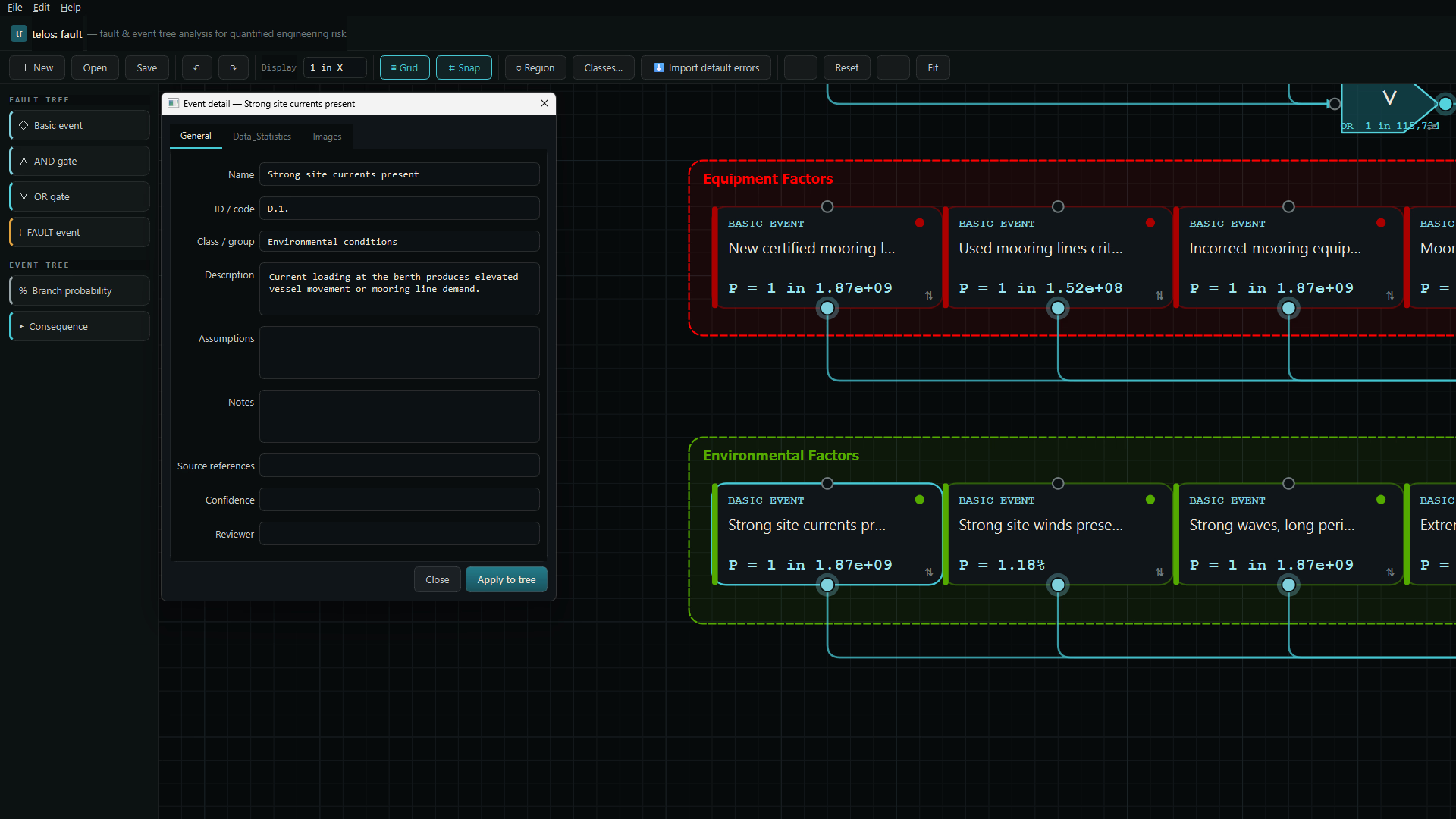
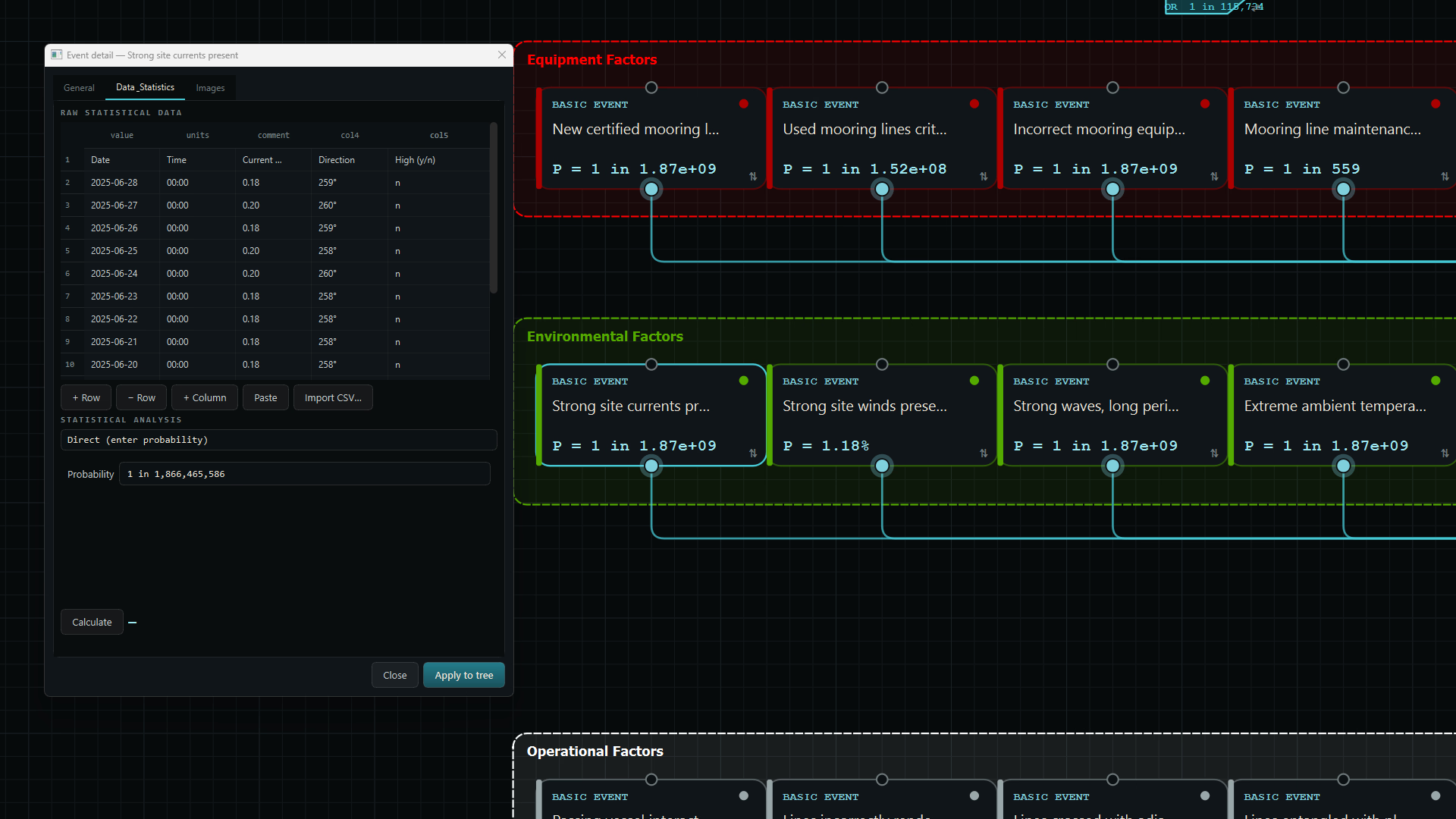
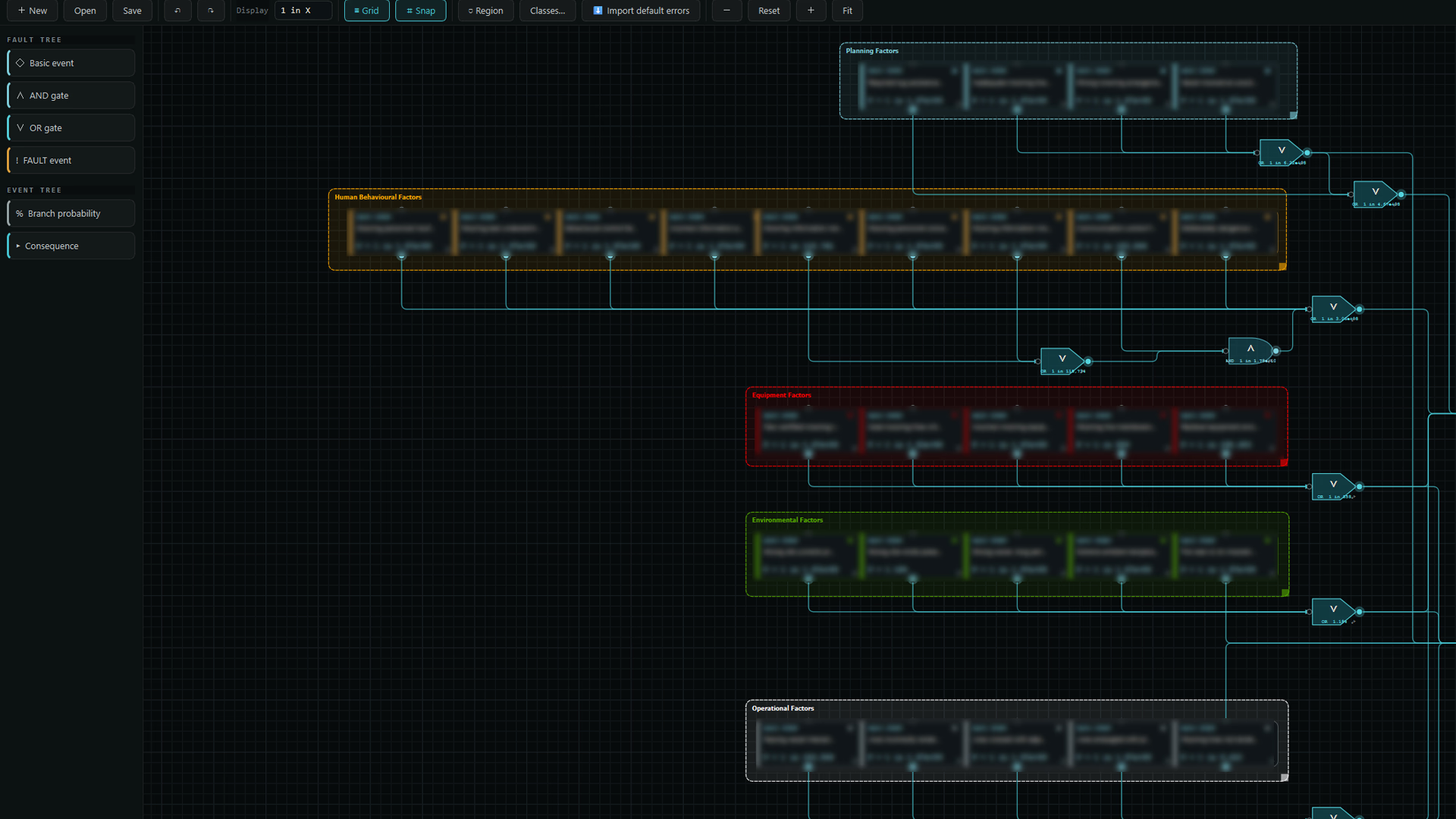
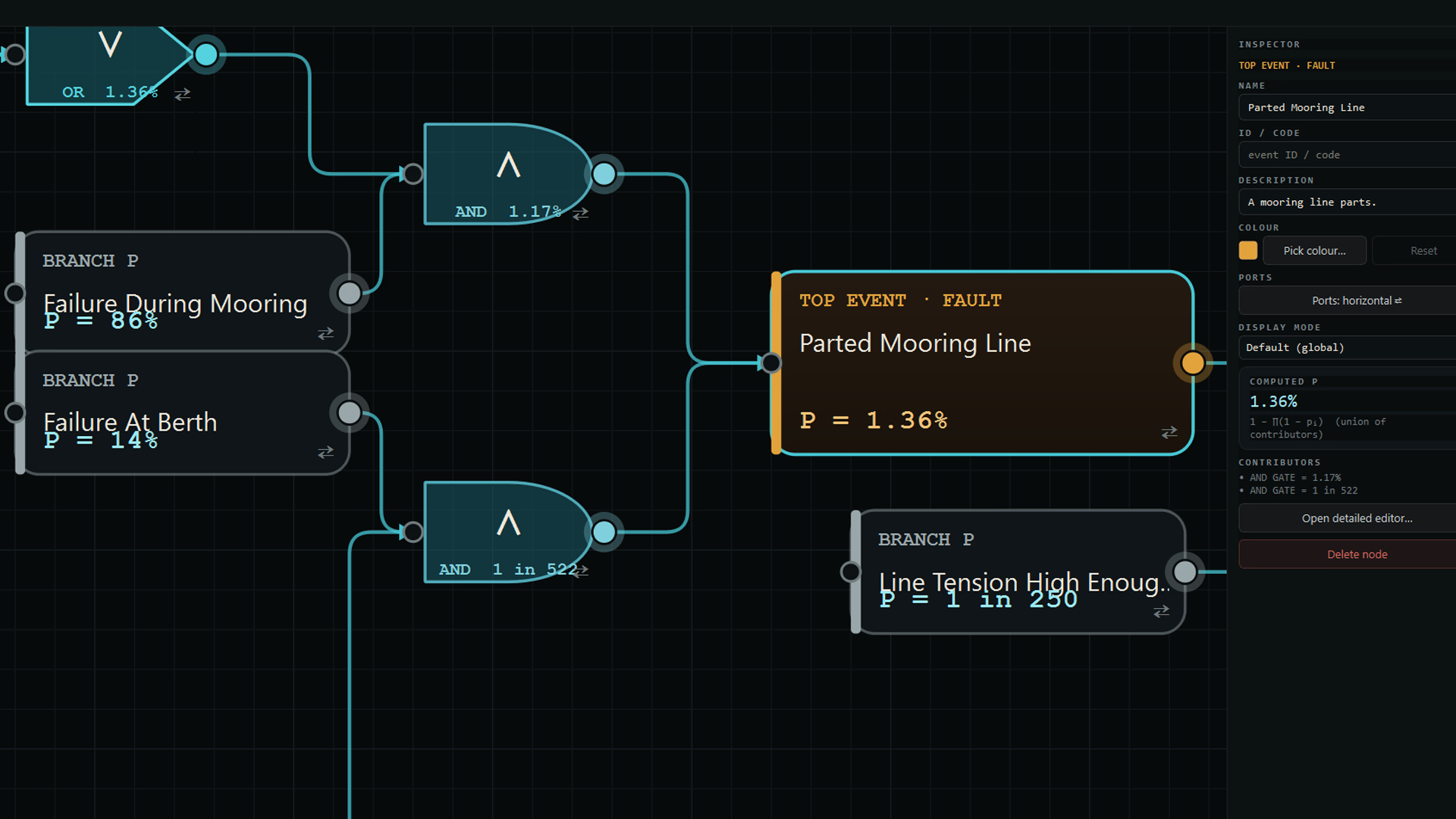
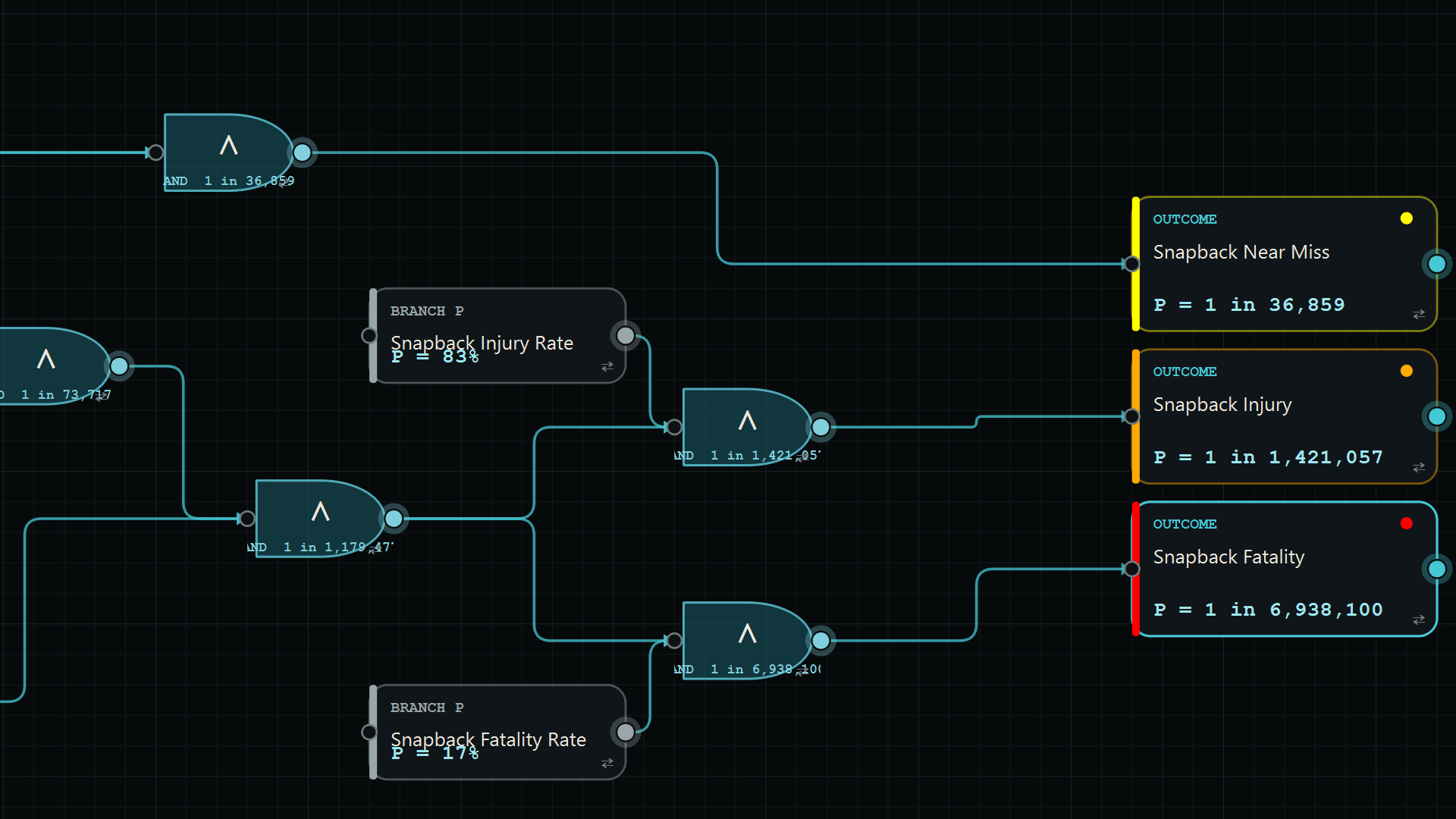
Insert a contributing factor.
Add each basic event that can contribute to the primary fault — equipment failures, human actions, and environmental conditions.
05 Technical basis
Boolean logic of high-consequence, complicated systems, made transparent and accessible, so you can see the efficacy of controls without trusting a black box.